
Contents
Switch to Drive: DigiBio’s Second Year
If year two had a theme, it was building the systems that make excellence repeatable. DigiBio moved fast on the invisible but essential scaffolding: governance that works, data that’s FAIR by design, and building up workflows that turn ideas into results at scale. A five-member Management Board and a broad Scientific Advisory Board are in place, and the project coordination handover was executed cleanly—momentum intact.
Behind the scenes, the digital backbone matured quickly. The team mapped a path from proprietary tools to open, sovereign infrastructure, evaluating lab information management options, aligning compute and storage with ELIXIR-Estonia, and working towards establishing pipelines for high-content and other types of screening campaigns. We also established state-of-the-art AI protein design workflows at our High-Performance Computing Center at the University of Tartu, utilizing AlphaFold for structure prediction, as well as de novo design (RFdiffusion/Rosetta lineage). This is how the Bioengineering Digitalisation Platform will maintain high throughput and ensure reproducible science.
On the lab side, early workflows and pilots are in motion. TalTech site established a functional enzyme design/bioinformatics platform and initiated a base-case build for automated cloning and yeast engineering. Meanwhile, UTARTU advanced a cell-free prototyping pilot that will later transition to cycles of design-build-test-learn for rapid prototyping of bioparts. We acquired funding for and added a small, applied layer, including two vaccine/therapeutics initiatives: self-amplifying RNA vaccines (taRVac; AI-RdRP) and structure-based small-molecule optimization for HPV-related skin cancer.
We deepened ties with our advanced partner, the BRIGHT Biofoundry at DTU (formerly DTU Biosustain), through visits and working sessions. Together, we outlined a high-level informatics roadmap that includes improved data interoperability, enhanced analytics (including ALE/metabolic modelling), and exploratory AI/LLM and resequencing tools. Software co-development directions are taking shape, with near-term exploratory steps considered.
Education is now a force multiplier. Study programmes across UTARTU and TalTech were upgraded, and 223 new students started in the period. Additionally, the Institute of Bioengineering joined the Erasmus Mundus IMIM double-degree programme with Groningen, Uppsala, and Heidelberg—backed by a targeted portfolio of new courses that connect biofoundry automation and data to real-world innovation. A centre-wide bioethics training brought 63 participants into a shared culture of practice.
Finally, we secured extra funds to keep the build-out on track and launched two long-horizon pillars—the Sustainable Innovation Office and the Bioeconomic Development Foundation—to professionalise industry links, IPR, and spin-off pathways. The coming year is less about announcements and more about establishing a cadence—making the new platforms an integral part of everyday science.
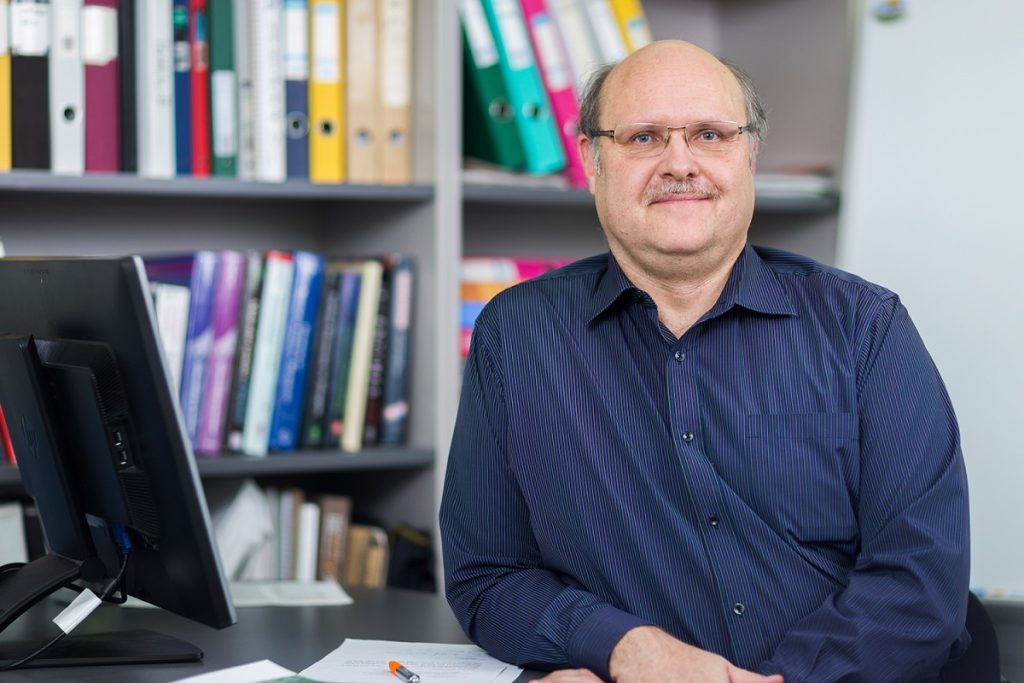
Associate professor Margus Varjak Research group has joined the Institute of Bioengineering
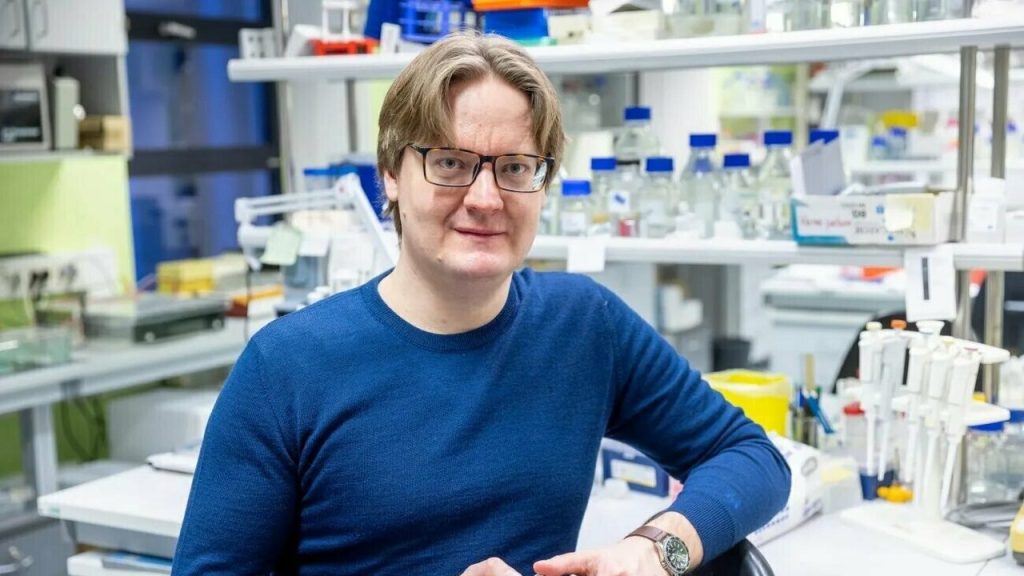
Associate professor Margus Varjak Research group has joined the Institute of Bioengineering.
Associate Professor Margus Varjak’s laboratory studies the interactions between pathogenic viruses and host cells. The research primarily focuses on various alpha- and flaviviruses transmitted by mosquitoes, as well as SARS-CoV-2. Studies are conducted under biosafety levels 2 and 3, in BSL-2 and BSL-3 laboratories, respectively.
Although viral genomes encode several proteins necessary for pathogen replication and spread, viruses remain dependent on various host cell factors. Using proteomics tools, the laboratory aims to identify cellular proteins directly involved in viral replication. The research places particular emphasis on understanding protein-protein interactions in infected cells, with a central goal of identifying proteins essential for multiple viruses within the same family.
The ultimate objective of this research is to leverage this knowledge to inhibit viral replication in organisms by targeting proviral host factors. By focusing on universal factors, the laboratory seeks to develop strategies to block multiple viruses within the same genus.
Prof. Yrjö (Ykä) Eero Helariutta was assigned to the position of the Professor of Molecular Dendroengineering
On the 31st of January, 2025 the University of tartu senate approved the Yrjö (Ykä) Eero Helariutta for the position of professor of Molecular Dendroengineering at the institute of Bioengineering. He will be coordinating the ERA chair project TreeBioTEC, aimed at establishing a research group for tree bioengineering at the Institute of Bioengineering. This initiative aims to enhance photosynthesis, growth rates, and resilience of birch trees, fostering reforestation, carbon capture, and soil bioremediation of contaminated mining areas for the wood industry.
The project will also raise public awareness of bioengineering, foster collaboration between industries in Estonia and Finland, and position Estonia as a leader in forest biotechnology.
Yrjö (Ykä) Eero Helariutta received his Ph.D. in 1995 at the University of Helsinki on biochemical genetics in Gerbera (Teeri lab). In 1995-1998 hi did his post-doc at New York University on root development (Benfey lab).
Since 1999 Yrjö has been leading the Wood Development Group at the University of Helsinki (and during 2014-22 at the University of Cambridge).
Since 2022 Yrjö is leading Centre of Excellence in Tree Biology at University of Helsinki.
Professor of Gas Fermentation Kaspar Valgepea gives his inaugural lecture on recycling carbon oxides in waste
On Tuesday, 25 February at 16:15, Kaspar Valgepea, Professor of Gas Fermentation of the University of Tartu, will give his inaugural lecture in Estonian entitled “How to recycle carbon oxides in waste using bacteria?” at the university assembly hall.
The accumulation of solid waste caused by unsustainable linear economy threatens ecosystems around the world. As concerns about irreversible climate change continue to grow, we are increasingly turning to renewable energy solutions. In addition, we need to move away from fossil fuels in the chemical industry and towards a circular bioeconomy using sustainable raw materials and CO2-neutral technologies.
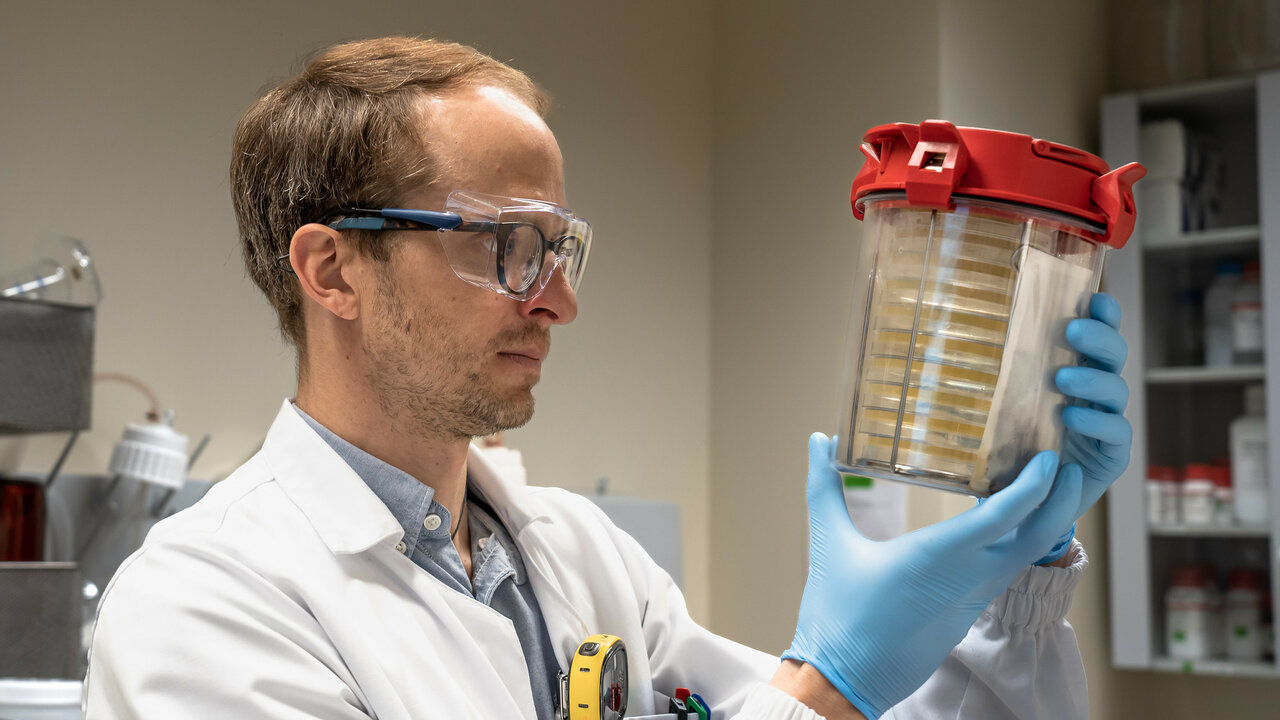
According to Kaspar Valgepea, gas fermentation is one of the technologies we need for achieving the ability to produce nearly 60% of the raw materials used in the global economy by biological methods. Gas fermentation, harnessing acetogen bacteria, allows the recycling of carbon oxides in both exhaust gases and gasified solid waste.
“The recycled carbon dioxides can be used as fuels or chemicals or in producing various materials such as plastics or synthetic rubber. These can in turn be used later as raw material for gas fermentation,” said the professor.
So far, gas fermentation has been used industrially to produce ethanol. However, bioengineering methods allow the creation of novel bacterial strains with transformed metabolism and the production of necessary compounds more efficiently and in a larger range.
“By altering the natural metabolism of bacteria or by giving them new properties by foreign DNA, we can create novel and useful cell factories. From the point of view of industrial applications, it is important to mention that cell factories are like software that can be used in the same hardware – a bioreactor – to produce different compounds,” explained Valgepea.
In his inaugural lecture, Kaspar Valgepea will speak about acetogen bacteria in more detail and introduce the advantages, disadvantages and opportunities of gas fermentation. Among other topics, the professor will outline the specificities of laboratory work and the main research questions that need to be answered to achieve technological breakthroughs. Lastly, he will present the activities and objectives of the gas fermentation research group.
Kaspar Valgepea earned his master’s degree in Applied Chemistry and Biotechnology in 2010 at Tallinn University of Technology. In 2014, he defended his doctoral dissertation “Absolute quantitative multi-omics characterization of specific growth rate-dependent metabolism of Escherichia coli” at Tallinn University of Technology and received the 1st Prize in National Contest for University Students. During his studies, he worked at the Food and Fermentation Technology Development Centre (TFTAK) and trained in Japan, the USA and Denmark. Later, he did post-doctoral research at the University of Queensland (Australia).
In 2019, Valgepea became Senior Research Fellow at the University of Tartu Institute of Technology and started to lead the ERA Chair in Gas Fermentation Technologies (GasFermTEC). As of 2024, he is Professor of Gas Fermentation at the Institute of Bioengineering, where he leads a research group aiming to integrate gas fermentation technologies with synthetic and systems biology to develop microbial cell factories. The research group gained recognition in 2024 when Valgepea received the Consolidator Grant from the European Research Council (ERC).
The aim of the inaugural lecture is to give the new professor an opportunity to introduce himself, his specialisation and field of research. At the end of the public lecture, the audience can ask the professor questions. Everyone interested is welcome. A live webcast will be available on UTTV.
Ilona Faustova was elected director of the Institute of Bioengineering
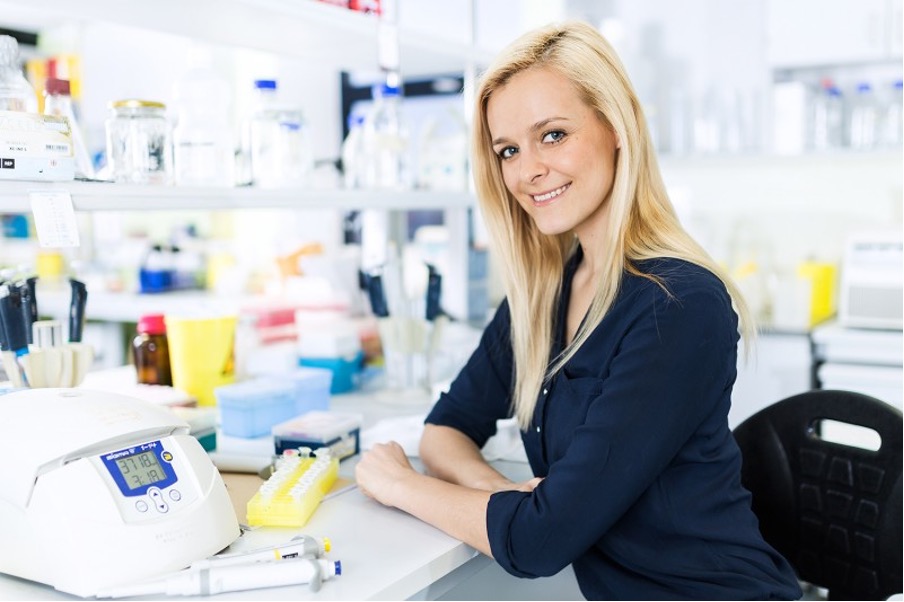
On 4 April, the council of the Institute of Bioengineering elected Associate Professor of Molecular Biology Ilona Faustova as the institute’s director. Her three-year term of office starts on 1 May.
Ilona Faustova believes the greatest asset of the institute is the people who work there. “You cannot do research or achieve great things without people. Behind the ideas, there are always people: professors, researchers, specialists, doctoral students and students. Our institute’s team is highly talented, ambitious and determined – I am honoured to work with such people. I believe that with hard work, motivation, team spirit and a good environment, all our goals can be achieved,” Faustova said.
One of the core values of the Institute of Bioengineering is the academic freedom and freedom of thought of the research groups; hierarchical structure has been deliberately avoided. Instead, the institute functions as a community of organisms in a dynamic ecosystem, where each element plays its role in a creative and mutually supportive environment. The institute comprises five research groups covering a broad spectrum of research fields and studies organisms from viruses and yeasts to plants and carbon-consuming bacteria.
The digitalisation of biology is emerging as a significant development. A major step in this direction is the Centre for Digitalised Bioengineering (the DigiBio project), funded by the Teaming for Excellence funding action under Horizon Europe, the European Commission’s framework programme for research and innovation. It aims to set up a biofoundry – a high-technology platform for automating bioproduction processes to develop new solutions for bioengineering, bioindustry, environmental protection and other fields. “The first steps towards the goal have already been made – we have employed Vallo Varik, Research Fellow in Bioengineering, as the director of the biofoundry. We are building new laboratories in Chemicum and purchasing equipment,” said Faustova.
According to the director of the Institute of Bioengineering, it is essential to give every possible support to researchers who are driven by curiosity and who are passionate about their scientific ideas. “Our goal is to recruit talented young scientists with Estonian roots and high-level work experience abroad,” said Faustova. Strategic expansion and the involvement of new research groups go hand in hand with the construction of the new institute building. “We will create modern laboratory and working facilities for researchers starting work at the institute,” Faustov said. Earlier this year, Associate Professor of Virology Margus Varjak joined the Institute of Bioengineering and Mihkel Örd will return from postdoctoral training next year.
Ilona Faustova graduated from the University of Tartu with a master’s degree in 2006 and earned her doctoral degree in bioorganic chemistry in 2013. In 2008, she joined Professor Mart Loog’s research group, where she was one of the leaders of the laboratory’s research projects. At the end of January this year, she became the leader of the same research team. Faustova was recognised for her contribution to the university’s development with the University of Tartu Badge of Distinction in 2020. She was also a nominee for the 2024 national research awards for her research on protein phosphorylation networks.
In addition to research, Associate Professor Ilona Faustova is actively engaged in teaching. Nearly a decade ago, in cooperation with other institutes, she worked out international bachelor’s and master’s curricula combining biology and engineering, which have attracted students from over 50 countries to the University of Tartu. Faustova is the programme director for both curricula. Her dedicated work in education has been recognised on many occasions. In 2017, Ilona Faustova was awarded the programme director of the year title of the Faculty of Science and Technology. In 2022, she was a nominee for the teaching staff of the year award in the same faculty, and in 2023, students voted her the outstanding teaching staff of the Institute of Technology.
Faustova says she intends to continue developing the curricula and the teaching at the institute. “In autumn 2025, we will launch an Erasmus Mundus master’s programme in cooperation with the universities of Groningen, Heidelberg and Uppsala,” she said.
The three-year term of office of the new director starts on 1 May.
Dr. Mart Loog became the member of EMBO
Molecular biologist Mart Loog has been elected as members of the European Molecular Biology Organization (EMBO). This is one of the most important representative organizations in the field of life sciences in the world.
This year, 60 new members from Europe and 9 associate members from elsewhere in the world were elected. The new members represent a wide range of scientific fields—from RNA to plant biology, and from epidemiology to molecular medicine. Among those elected are scientists from countries such as France, Germany, Italy, Israel, the United Kingdom, Finland, and other European nations.
EMBO members take part in the governance of the organization—they serve on scientific advisory boards, grant review committees, and editorial boards of scientific journals. Membership also helps to strengthen international collaboration and the mentoring of young scientists.

EMBO Director Fiona Watt said in a press release announcing the new members:
“A major strength of EMBO lies in the excellence and dedication of its members. Science thrives on global collaboration, and the annual election of the new EMBO Members and Associate Members brings fresh energy and inspiration to our community. We are honoured to welcome this remarkable group of scientists to the EMBO Membership. Their ideas and contributions will enrich the organization and help advance the life sciences internationally.”
The new members will be officially welcomed at the EMBO Members’ Annual Meeting, which will take place on October 22–24, 2025, in Heidelberg, Germany.
Read more here: https://www.embo.org/press-releases/outstanding-life-scientists-elected-to-the-embo-membership/
Article in Postimees: https://teadus.postimees.ee/8278340/eesti-teadlased-joudsid-euroopa-eluteaduste-tippu-embo-liikmeteks-valiti-mart-loog-ja-tonis-timmusk
Breakthrough Research from Institute of Bioengineering Secures Translational Grants
Three research groups at the University of Tartu’s Institute of Bioengineering have been awarded translational research grants to advance their cutting-edge discoveries to the next stages of technology and business readiness.
The grants are awarded under the national intervention “Increasing the impact of research and supporting the institutional knowledge transfer capacity of research institutions and universities (ASTRA+)”, Action 3. The projects are co-funded by the European Union through Cohesion Policy funds, the Government of Estonia, and the University of Tartu.
Estonian Biofoundry – taRVac: Development of a Self-Replicating Next-Generation Vaccine Technology
The Estonian Biofoundry team is developing a novel RNA vaccine technology based on Estonian scientific breakthroughs. The taRVac platform enables stronger immune protection with smaller doses. Researchers are testing the applicability and effectiveness of this new invention with the most important vaccine candidates and are establishing a collaboration framework with international industry partners. The project’s goal is to bring Estonian innovation onto the global stage and integrate Estonia into the vaccine industry value chain.
Applied Virology Lab – taRVac: Development of a Self-Replicating Next-Generation Vaccine Technology
The Applied Virology Lab is also contributing to taRVac. Building on pioneering results from Estonian science, the project develops an advanced RNA vaccine technology designed to provide effective immune protection with reduced doses. The team is evaluating the feasibility and performance of this breakthrough across leading vaccine candidates and creating pathways for collaboration with global industrial partners. The ultimate objective is to elevate Estonian research to international prominence and attract part of the vaccine industry’s value chain to Estonia.
Systems Biology Research Group – Structure-Based Optimization of Small-Molecule Compounds for the Prevention and Treatment of HPV-Associated Skin Cancer
The Systems Biology Research Group is working on the development of a small-molecule HPV inhibitor aimed at treating complications caused by the human papillomavirus and preventing HPV-associated skin cancer. By applying structure-based drug optimization approaches, the group seeks to provide new therapeutic options for addressing viral oncogenesis and enhancing public health outcomes.
Construction of the biofoundry is in full speed
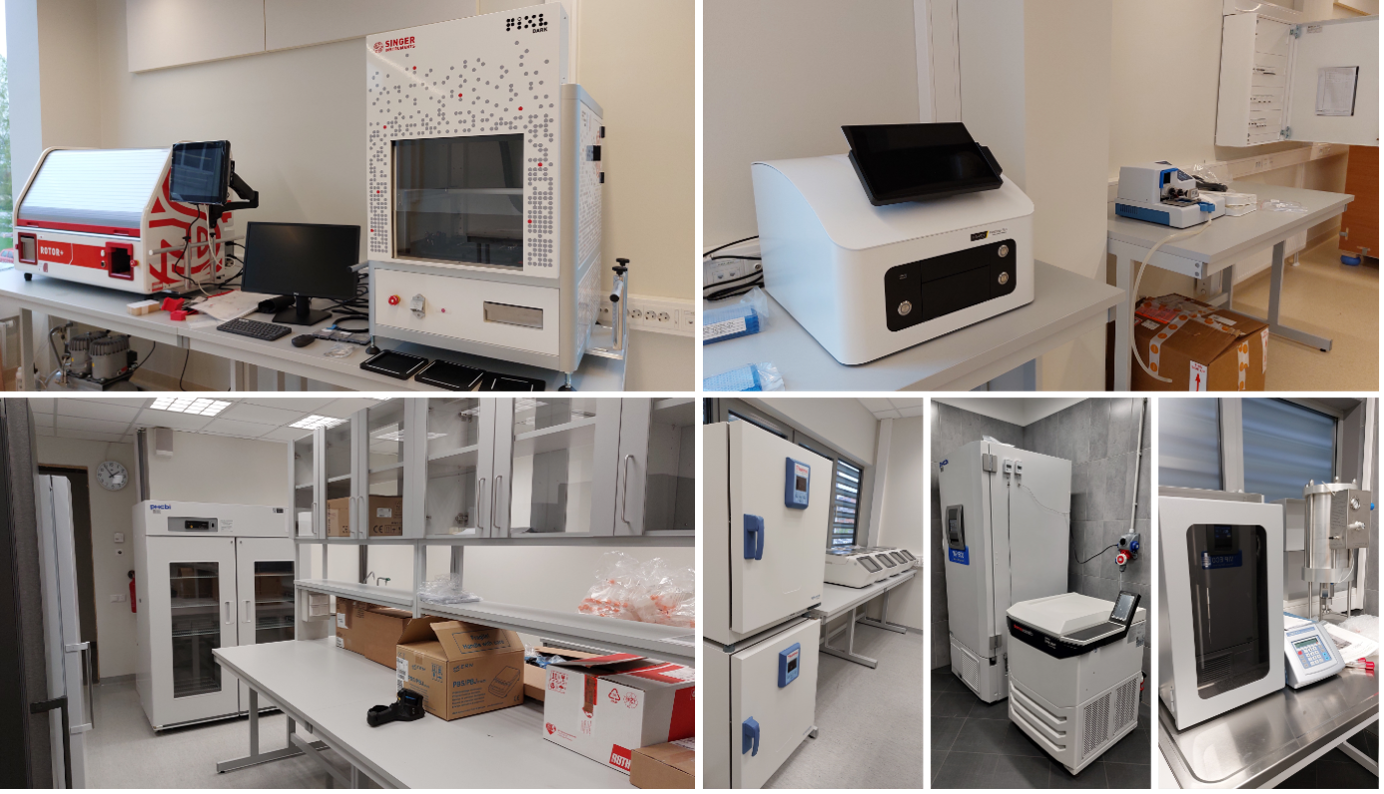
During the first 18 months, WP4 has focused on foundational activities for establishing the Biofoundry, with UTARTU as lead and support from TalTech and DTU. The key deliverable, D5.1—the Biofoundry Structure Report—was submitted on time on 25 September 2024, describing the successful renovation of the necessary rooms for the Biofoundry, as well as the planning and procurement of equipment essential for the success of pilot projects and the BDP.
The equipment and part of the project management costs for the establishment of the Biofoundry have been covered by complementary funding of Estonian government in the amount of €1.34 million. The infrastructure setup has been optimised for maximum integration between UTARTU and TalTech, including their existing core facilities. Renovated office and laboratory rooms at UTARTU now feature newly installed lab furniture and equipment. Please see the selected photos below.
Renovated lab rooms now feature newly installed lab furniture and equipment. The upper row displays indispensable tools for automation and high-throughput applications, including the Singer Rotor HDA, Singer colony picker PIXL, Revvity FlexDrop Plus non-contact nanoliter-scale liquid handler, and Multidrop Combi reagent dispenser. The bottom row shows general molecular biology lab equipment and furniture. Additionally, we have developed and installed the remaining lab furnishings, such as lab benches, sink units, and storage cabinets.
Collaboration & Networking
Bioconnect meeting in Riga
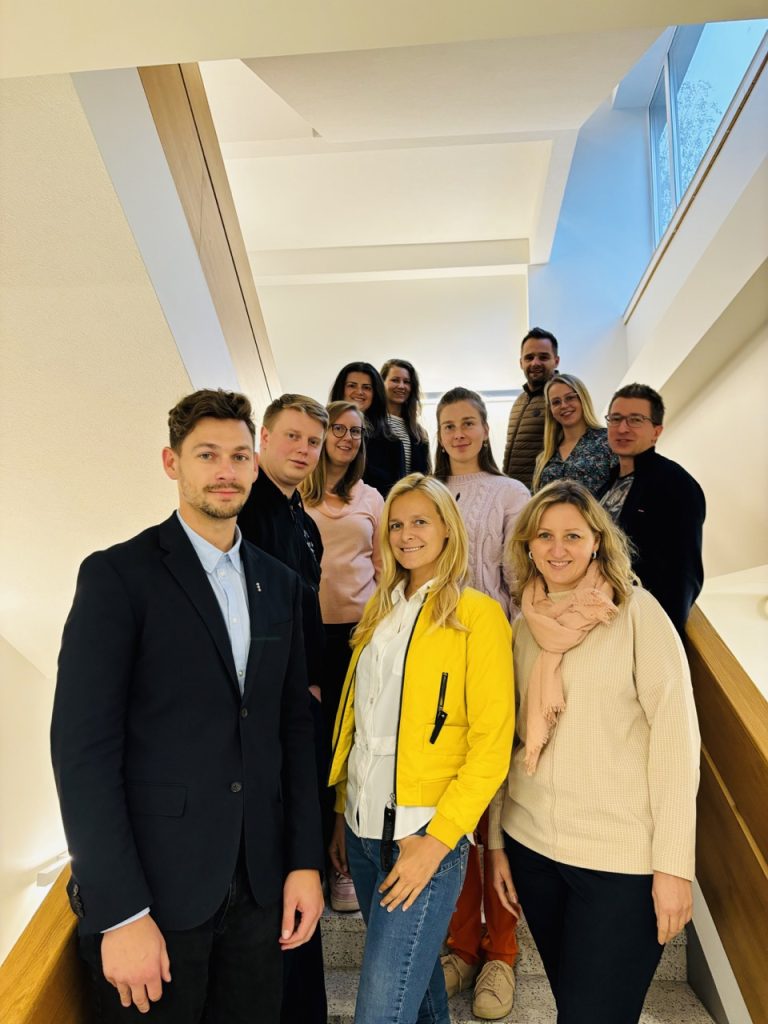
Members of the BIOCONNECT consortium reviewed the project’s progress and engaged in a collaborative workshop aimed at refining and shaping an actionable strategy during the meeting on the 2nd of October in Riga, Latvia. Vice Director of the Institute of Bioengineering Ilona Faustova and Artemi Maljavin took part in the meeting from the side of the Estonian Centre for Biosustainability.
During the meeting, six critical points for a successful biotech innovation ecosystem were reassured:
- Talent development
- World-class infrastructure
- Supportive policy frameworks
- Robust R&D capabilities
- Sustainable funding Public education and engagement
We would like to thank RTU Science and Innovation Centre for hosting the event.
Meeting with Tim Hunt
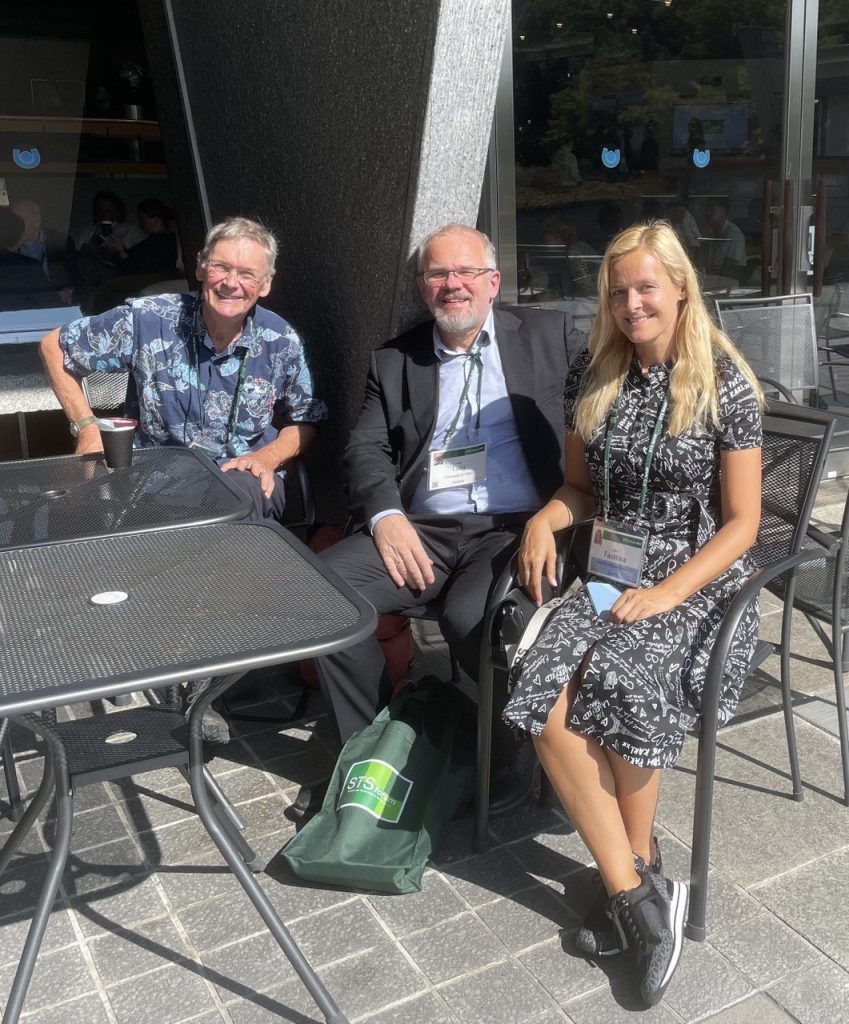
Director and Vice Director of the Institute of Bioengineering Prof. Mart Loog and Assoc. Prof. Ilona Faustova met with the Nobel prize laureate Tim Hunt during Science and Technology Forum 2024 in Kyoto, Japan, to discuss science.
Estonian delegation meeting with Kyoto University representatives

Delegation of the Republic of Estonia visited the Kyoto University to meet the President and the Vice President along with other representatives of the Kyoto University to discuss potential collaborations.
The Rector of the University of Tartu, Vice Director of the Institute of Bioengineering, Deputy Secretary General and Chief Expert in International Cooperation of the Estonian Ministry of Education and Research, Deputy Head of International Research Cooperation Department and Senior Adviser for collaboration programmes with Japan of the Estonian Research Council, and the Ambassador of the Republic of Estonia took part in the meeting.
We appreciate the help of the Embassy and the Ambassador of the Republic of Estonia in organizing valuable meetings during our visit to Japan.
Official meeting „Fostering Japanese-Estonian research cooperation in the field of Bioengineering and Biotechnology“

Representatives of Estonian universities and Estonian Research Council met with representatives of Japan to discuss research cooperation in the field of Bioengineering and Biotechnology on the 10th of October, 2024 in Tokyo, Japan.
During the meeting, recent advances in the field of Bioengineering and Biotechnology, Japan-Estonia collaboration, and bi- and multilateral funding possiblities between Estonia and Japan, as well as European Union and Japan were discussed.
Estonia was represented by the Rector of the University of Tartu prof. Toomas Asser, Rector of Tallinn University of Technology prof. Tiit Land, Director of the Institute of Bioengineering prof. Mart Loog, Vice Director of the Institute of Bioengineering prof. Ilona Faustova, professors of the Institute of Bioengineering Andres Merits, Hannes Kollist, Kaspar Valgepea, Professor of Biosystems Engineering from Estonian University of Life Sciences Timo Kikas, professor of Biopolymer Chemistry from Tallinn University Rando Tuvikene, senior researcher from the Tallinn University of Technology Priit Eek, Director General Anu Noorma, Head of the Department of Strategic Analysis Marko Piirsoo, Deputy Head of International Research Cooperation Department Kristin Kraav, Senior Adviser for collaboration programmes with Japan Katrin Saar of the Estonian Research Council, Ambassador of Estonia to Japan Mait Martinson and Embassy of Estonia Counsellor Indrek Erikson.
Prof. Mart Loog, University of Tartu, Prof. Timo Kikas, Estonian University of Life Sciences, Prof. Rando Tuvikene, Tallinn University, Dr. Toshinori Kinoshita, Nagoya University, Prof. Yutaka Kuroda, Tokyo University of Agriculture and Technology, Prof. Andres Merits, University of Tartu, Senior researcher from the Tallinn University of Technologypresented the Recent advances in bioengineering and biotechnology in Estonia and Japan.
During the panel discussion moderated by prof. The rector of the Tallinn University of Technology Tiit Land, professors Kaspar Valgepea, Hannes Kollist and Ilona Faustova from the Institute of Bioengineering discussed Collaboration experiences between Estonia and Japan.
Mr. Gijs Berends, Head of Science, Innovation, Digital, and Other EU Policies Section, Ms. Fumiko Oda, National Contact Point (NCP) for Horizon programme, Dr. Judit Erika Magyar, Country Representative, EURAXESS Japan, Ms. Kumiko Kikuchi, Head of Overseas Fellowship Division, JSPS, Dr. Anu Noorma, Director General of Estonian Research Council, and Dr. Anu Noorma, Director General of Estonian Research Council provided a detailed overview of funding opportunities for Estonian-Japanese and EU-Japanese research cooperation.
We appreciate the help of the Embassy, Counsellor Indrek Erikson, and the Ambassador of the Republic of Estonia in organizing valuable meetings during our visit to Japan.
Annual Global Biofoundry Alliance Meeting 2024 (GBA2024)

Director of the Institute of Bioengineering Mart Loog, Vice Director of the Institute of Bioengineering Ilona Faustova, Director Vallo Varik and Chief Technology Officer Jochen Förster of the Estonian Biofoundry as well as member of DigiBio Scientific Advisory Board Lars Nielsen attended the Annual Global Biofoundry Alliance Meeting 2024 (GBA2024) on the 10th till 12th of October at the Daejeon Convention Centre in the Republic of Korea.
During the GBA2024, they also visited K-Biofoundry (KRIBB) in Daejeon, South Korea.
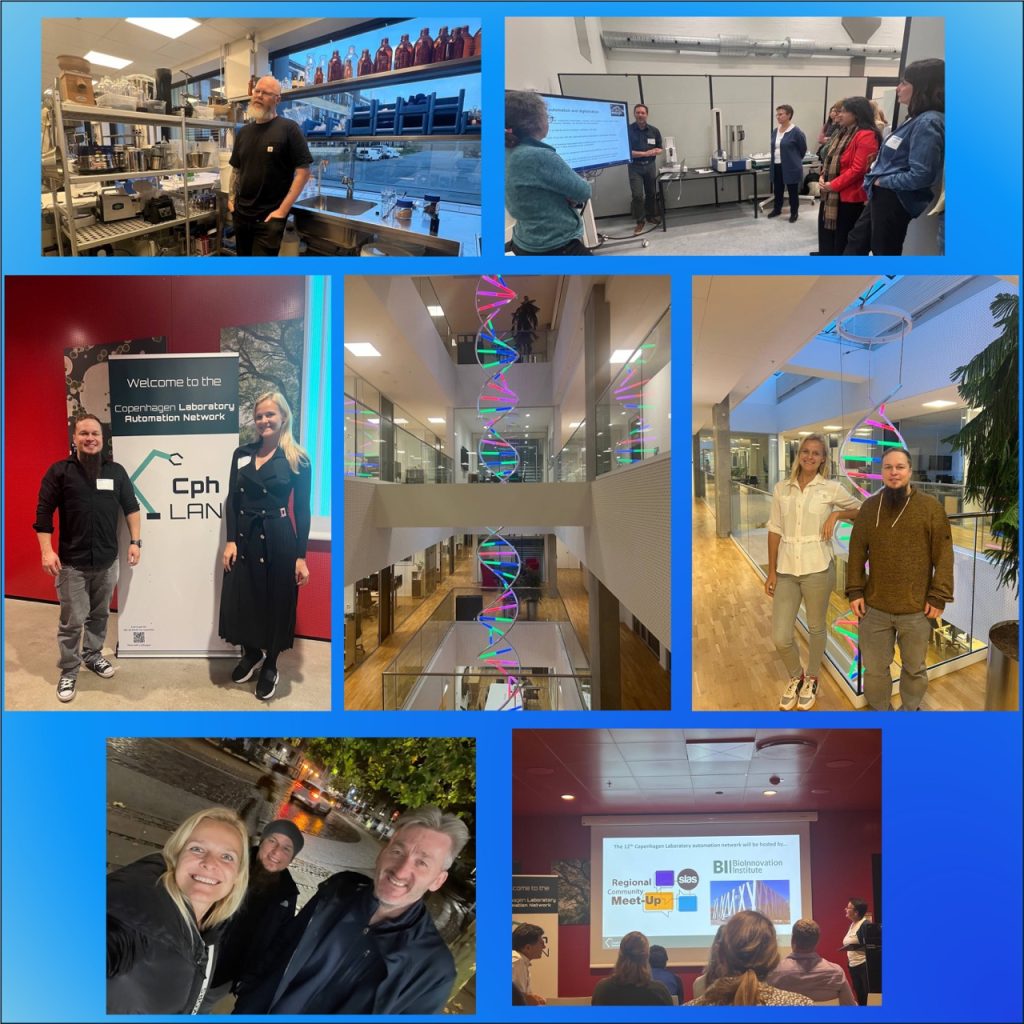
Copenhagen Laboratory Automation Network event in Copenhagen, Denmark
Vice Director of the Institute of Bioengineering and Co-Coordinator of DigiBio project Ilona Faustova, Director of Estonian Biofoundry Vallo Varik visited Danish Technical University (DTU), DTU Biosustain Biofoundry, and took part in Copenhagen Laboratory Automation Network event in Copenhagen, Denmark.
At the Copenhagen Automation Network conference the topics of integrating of automation processes and AI into biofoundry framework were discussed.
During their stay, Dr. Faustova and Dr. Varik met with the heads of departments of DTU Biosustain Biofoundry to exchange the experience and get insights in how to establish the efficient biofoundry in Estonia. Representatives of DTU Biosustain Biofoundry shared how their biofoundry is structured and operated, what we have to take into account and which mistakes try to avoid.
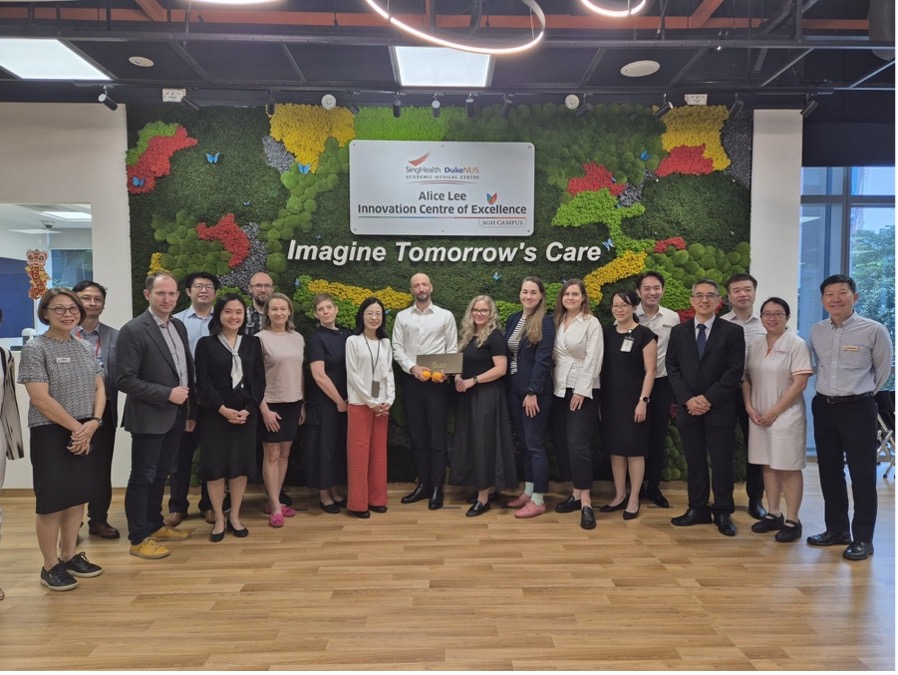
Estonian delegation to governmental institutions and enterprises in Singapore
In January 2025, the Innovation Manager of TUBI and CEO of SIO, Dr Rainis Venta, together with representatives from the Estonian Ministry of Communication and Economic Affairs and the Estonian Ministry of Foreign Affairs, participated in an Estonian delegation to governmental institutions and enterprises in Singapore. The study visit, financed by the Ministry of Foreign Affairs, aimed to gain in-depth insights into Singapore’s start-up ecosystem, biofoundry models, and investment funds, with the objective of gathering valuable information to inform the development of the SIO. During the visit, Dr Venta engaged in a series of high-level meetings with key organisations and stakeholders in Singapore’s innovation landscape, as mentioned under Tasks 6.5 and 6.6. The discussion on how to develop the Estonian start-up ecosystem, which was initiated during the visit, continued at a high-level roundtable on Estonia’s deep-tech strategy hosted by the Ministry of Economic Affairs.
Global Biofoundry Alliance Annual Meeting 2025
Ilona Faustova — Director of the Institute of Bioengineering and coordinator of the DigiBio project — and Vallo Varik, Director of the Estonian Biofoundry, attended the Global Biofoundry Alliance Annual Meeting 2025 (GBA2025) at the Carl R. Woese Institute for Genomic Biology, University of Illinois Urbana–Champaign (UIUC, USA), connecting with global experts — including our most valued partners at The BRIGHT Biofoundry (formerly DTU Biosustain) at the Technical University of Denmark (DTU) to advance shared biofoundry goals. Varik also joined the opening of the NSF-funded iBioFoundry at UIUC—part of the U.S. National Science Foundation’s landmark, $75 million initiative establishing five biofoundries across the country to supercharge AI-enabled discovery and open cutting-edge infrastructure to researchers nationwide.
TemTa projects seminar
The seminar dedicated to the TemTa wood projects organised by the Estonian Research Council took place in Tallinn on the 23rd of September, 2025. Ilona Faustova, Rait Kivi, and Nastassia Shtaida presented the project overview to the representatives of the Estonian Research Council, expert committee, and industry partners.
Education & Training
Henri Ingelman defended his doctoral thesis “Systems-level characterisation and improvement of of Clostridium autoethanogenum metabolism”
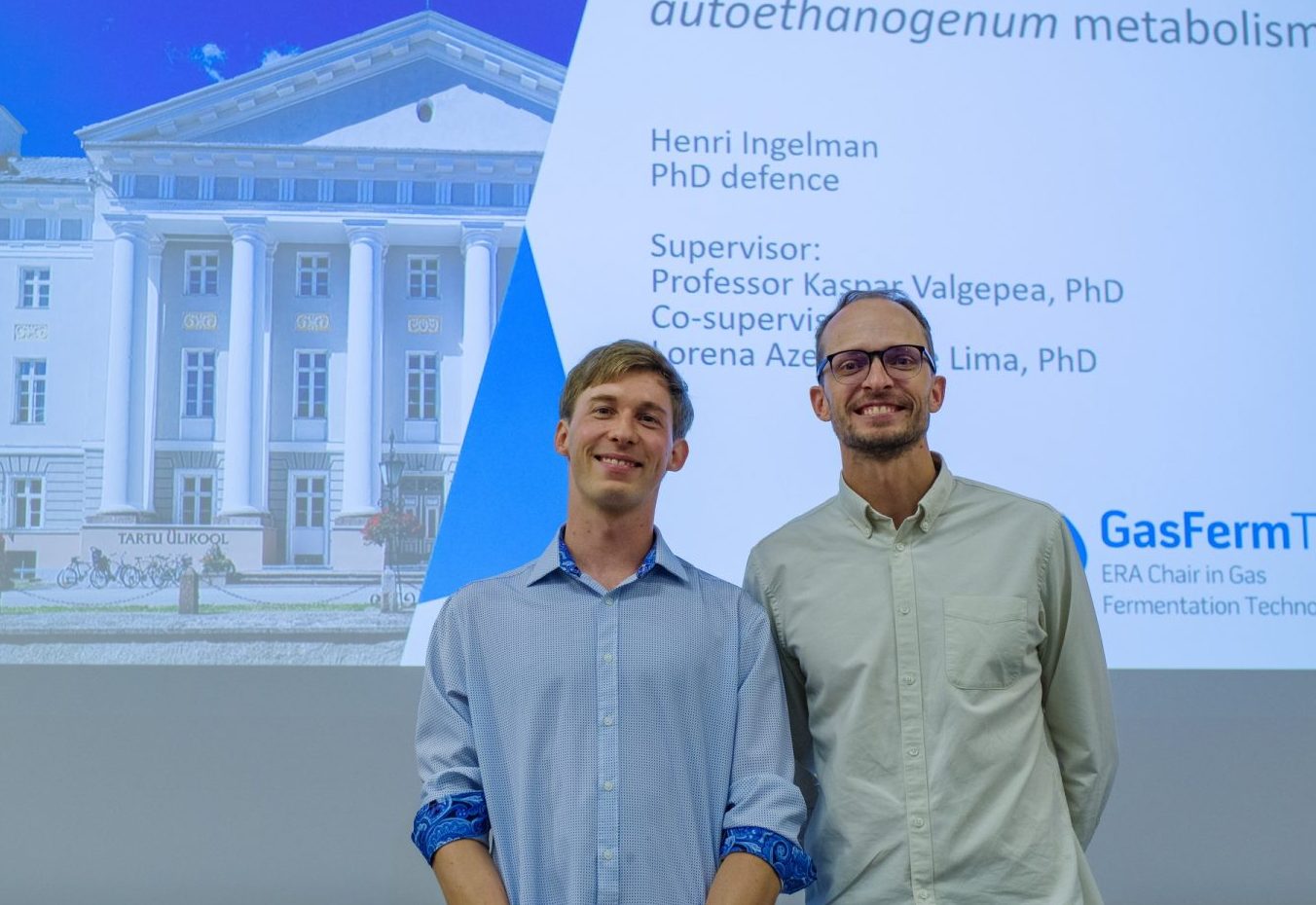
Henri Ingelman defended his doctoral thesis “Systems-level characterisation and improvement of of Clostridium autoethanogenum metabolism” on the 26th of September, 2024. Thesis supervisors are Professor Kaspar Valgepea and Dr. Lorena Azevedo de Lima. Congratulations!
Acetogenic bacteria have become attractive biocatalysts for their ability to convert greenhouse gases into valuable products through gas fermentation. This technology has the potential to mitigate climate change and waste management problems, but challenges remain for global deployment. Firstly, our understanding of acetogen metabolism is limited and genotype-phenotype links are not clearly resolved. In addition, genetic engineering is in its relative infancy compared to model organisms and is hampered by the fact that the functions of most genes are currently unclear.
This thesis focused on overcoming these challenges by combining gas fermentation with systems biology, adaptive laboratory evolution (ALE), and genetic engineering. The aim was to investigate specific growth rate-dependent metabolism and to use ALE to obtain C. autoethanogenum strains with improved characteristics. The thesis also aimed to improve the understanding of genotype-phenotype links.
The work presents quantitative data on specific growth rate-dependent acetogen metabolism and the gas fermentation process. Results show that accelerated growth of C. autoethanogenum increases the productivity of industrially relevant compounds and advances our understanding of transcriptional regulation in acetogens. In addition, the thesis concludes that ALE can be used to engineer strains that grow faster, grow on minimal medium, and are robust in autotrophic continuous cultures. In addition, effects of three mutations from ALE were investigated in-depth by construction of three wild-type based strains and characterisation in bottle and bioreactor cultures. The findings show that ALE-inspired genetic engineering can yield C. autoethanogenum strains with notably improved traits. In addition, convergent evolution was detected and several novel targets for genetic engineering to acquire improved microbial cell factories were identified.
Course in Bioethics
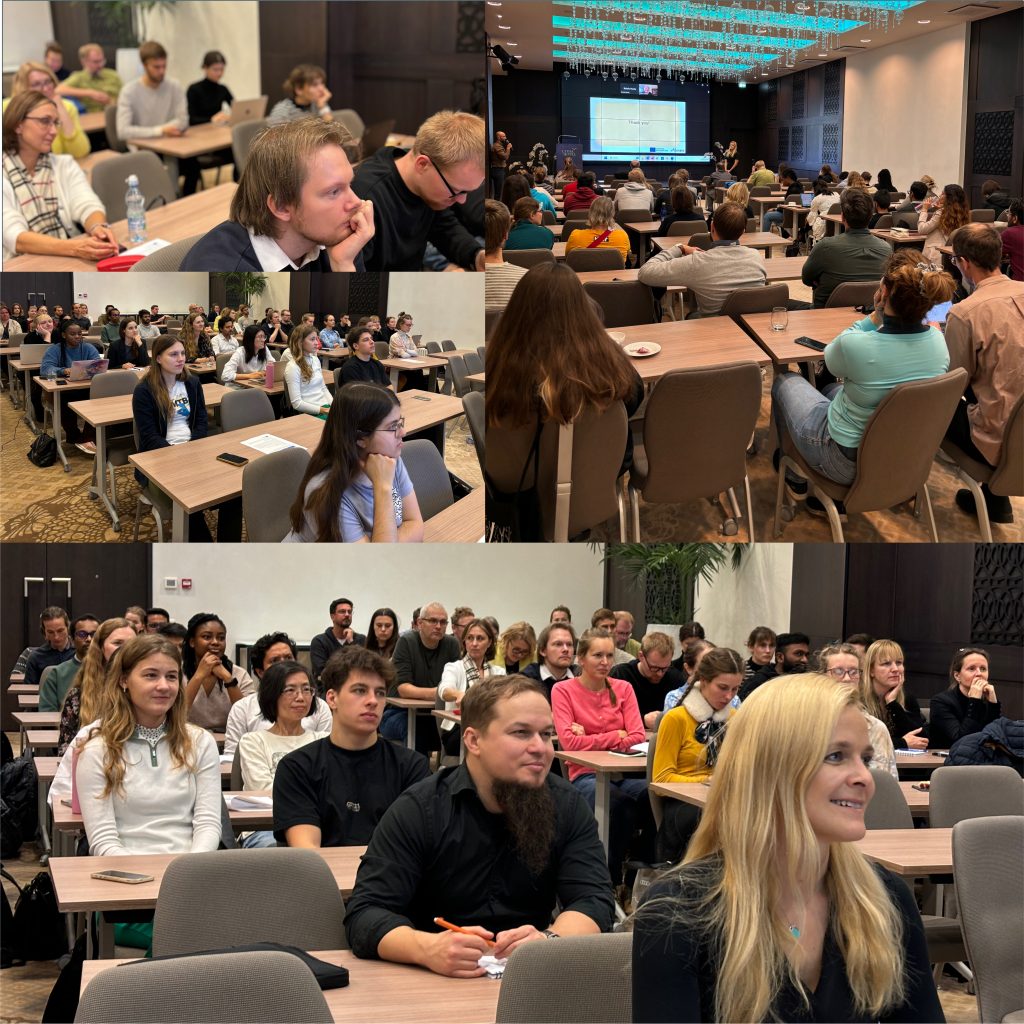
Institute of Bioengineering together with the Tallinn University of Technology organized a 2-day course on Bioethics for university employees and students. Topics covered ethical foundations and principles guiding bioengineering and institutional scientific practice, ethical data collection, storage, access and handling, GMOs, animal testing, human consent, novel foods, pathogen modifications, Cartagena and Nagoya Protocols. Besides informative lectures the interactive workshops were held and there were a guided tour to the Institute of Bioengineering and Biofoundry.
IMIM Kick-off meeting in Groningen, Netherlands
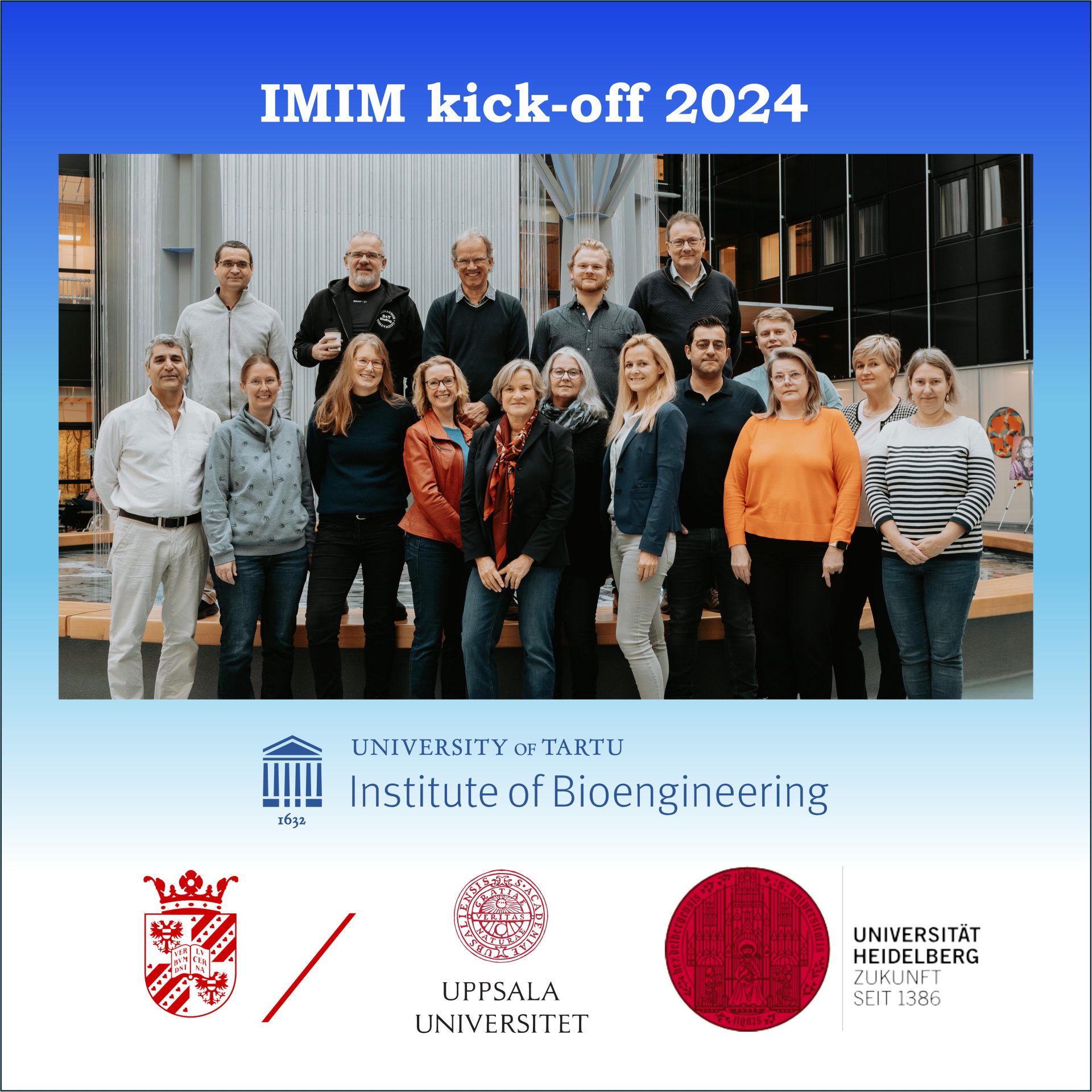
In November, the kick-off meeting of the International Erasmus Mundus double degree master’s program International Master in Innovative Medicine (IMIM) took place in Groningen, Netherlands.
During the extensive meetings, Director of the Institute of Bioengineering Mart Loog, Vice Director of the Institute of Bioengineering llona Faustova, Artemi Maljavin, Ulle Tensing, Liili Laan, discussed together with the representatives of other partner universities (University of Groningen, Uppsala University, Heidelberg University) the program’s organizational details, admission criteria, finance, etc.
We are excited to work in cooperation with prestigious universities on this Erasmus Mundus master’s program.
Science & Technology and Bioengineering Theses Defenses
27 Science and Tehcnology bachelor’s and 10 Bioengineering master’s students defended their thesis in the Institute of Bioengineering in June. Congratulations to our graduates.
Institute of Bioengineering hosted Summer School in Synthetic Biology
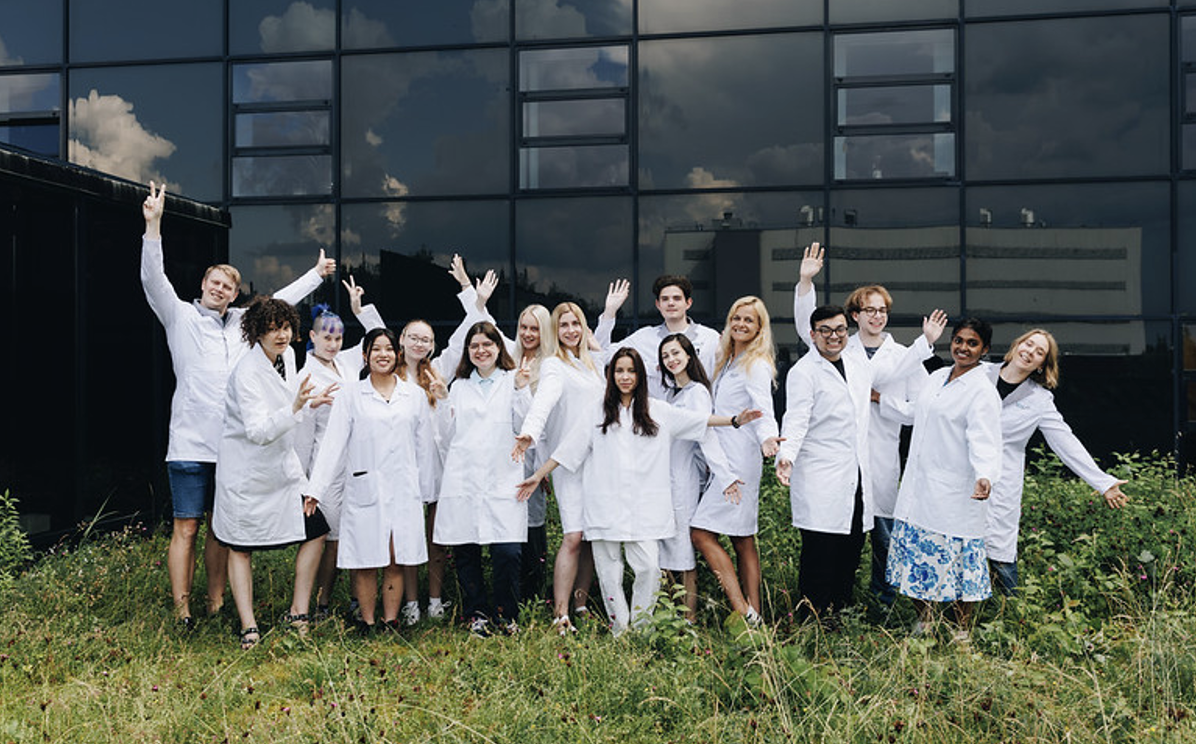
The international summer school ‘Synthetic Biology and its Applications’ led by Assoc. Prof. Ilona Faustova took place at the Institute of Bioengineering from 28 July – 7 August 2025. Students from nine countries participated in the course.
The summer school aimed to provide an overview of synthetic biology advances and their applications. Students got hands-on experience in molecular cloning and genetic engineering.
Students learnt how to work in the molecular biology lab, lab safety rules, and how to operate various laboratory equipment (e.g., PCR machines, centrifuges, vortex mixers, thermostats, etc.). They learnt the basic principles of logic gates and their applications in synthetic biology. Students collected and analysed data using different research methods, including live-cell fluorescent microscope imaging, FACS, and Western Blotting.
Community & Outreach
Studia Education Fair
In November, Science & Technology Bachelor’s program and University of Tartu representatives took part in the annual Education Fair STUDIA in Helsinki, Finland.
Many interested high school students visited our stands and asked questions about the program, admission criteria and life in Tartu.
Workshop on Robotex competition 2024
Representatives of the Institute of Bioengineering did several workshops during the international competition Robotex. Many multitalanted young minds and their parents participated in our workshop “Mystical DNA”. They learned about the DNA, molecular DNA “scissors”, how to use the automatic micropipette and more.

Prof. Andres Merits comments on why flu vaccination is necessary for the journal “60+”
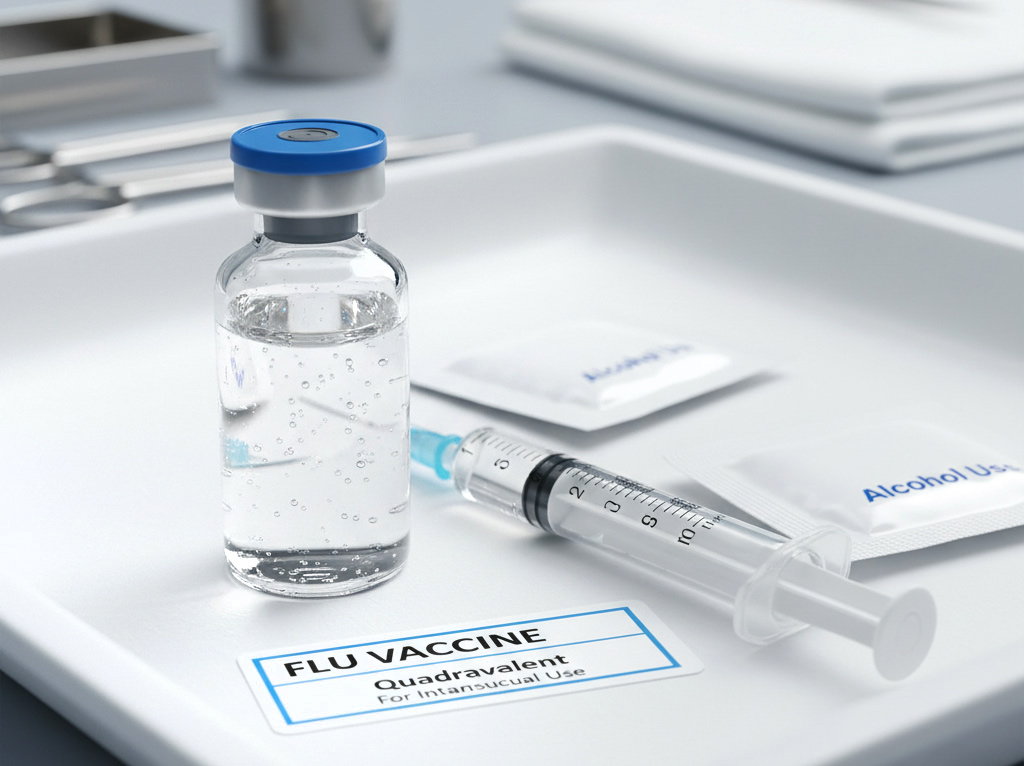
Professor Andres Merits from the University of Tartu explained in an interview with 60+ magazine that flu vaccination is an effective way to “train” the immune system. He noted that while the body first produces antibodies against easily accessible parts of the influenza virus, these targets often mutate and reduce protection. More durable protection comes from recognizing conserved viral regions, which typically requires repeated exposure. According to Prof. Merits, vaccination is a safer and more reliable way to build this immunity than natural infection. Although vaccine effectiveness may appear modest due to other circulating viruses or viral mutations, it still provides meaningful protection and helps reduce the risk of severe illness.
Read article here (In estonian): https://60pluss.postimees.ee/8187338/tervis-gripivastane-vaktsineerimine-treenib-immuunsusteemi
Education Fair Skola 2024 in Riga, Latvia
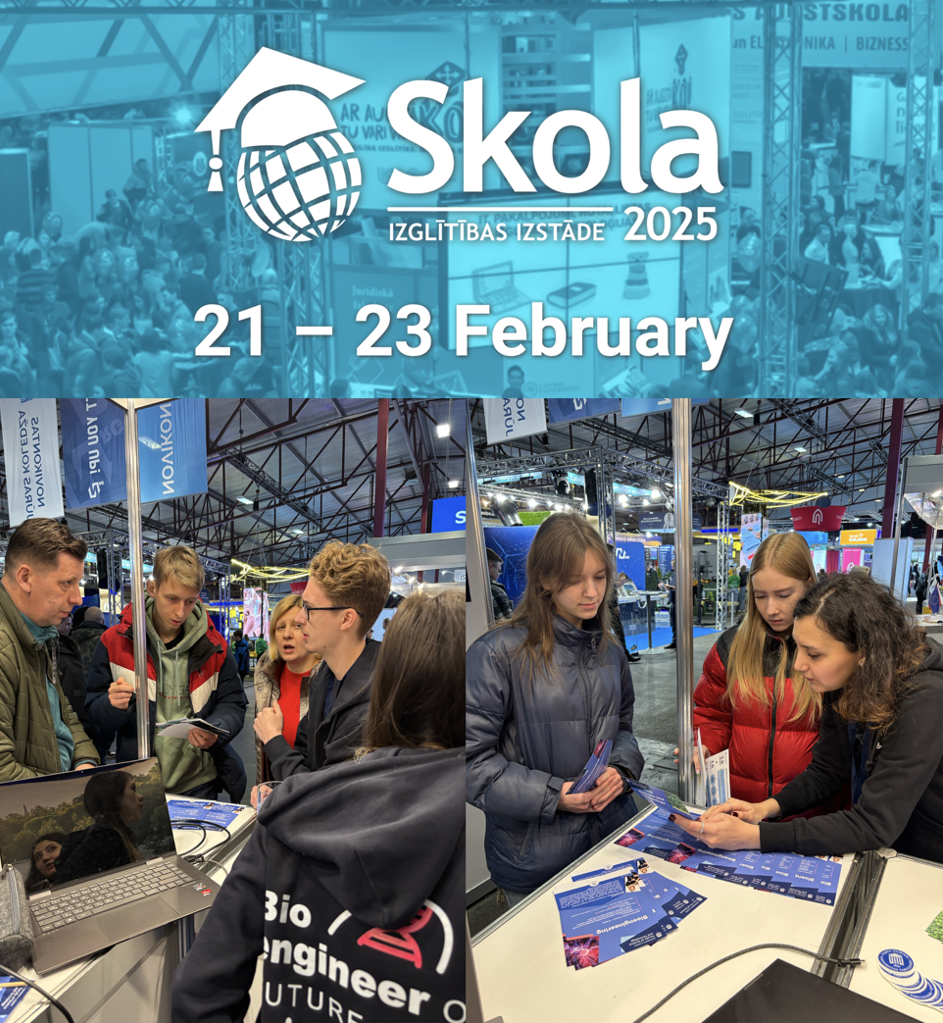
Science & Technology (S&T) program representatives visited the annual Higher Education Fair Skola 2025 in Riga, Latvia to promote the University of Tartu (UT) study programs. During the 3-day fair several hundreds of prospective candidates and their parents visited our stand. We were happy to assist them, provide necessary information about the programs, admission process, and give a students’ perspective on what it is like to be a UT student. We wish you luck with admissions and hope to see you in Tartu!
EHEF Education fairs in Japan
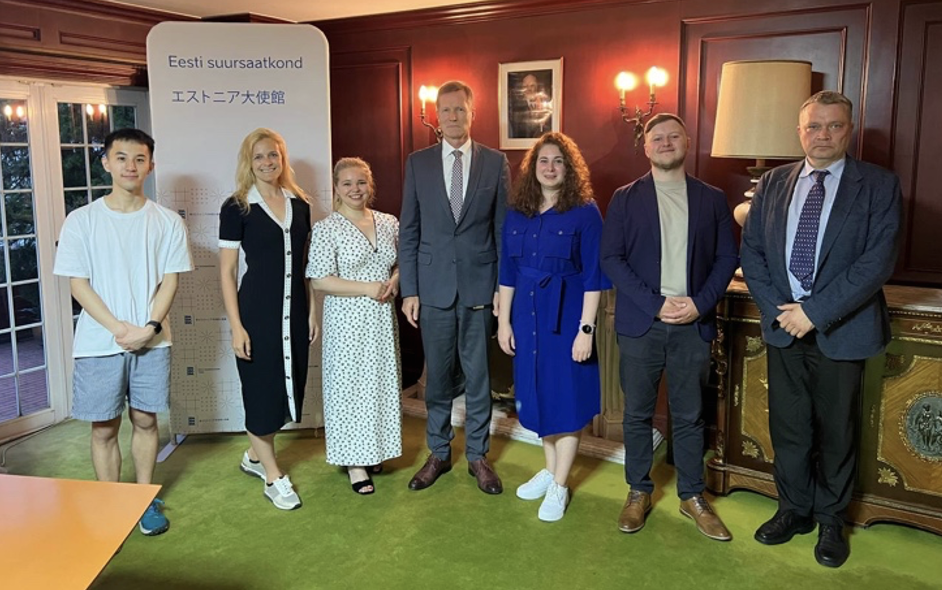
Science & Technology and Bioengineering Programme Director Ilona Faustova participated in education fairs in Tokyo and Osaka, Japan, organized by the Delegation of the European Union to Japan. The fairs attracted many talented students interested in pursuing higher education in Estonia, particularly at the University of Tartu. Ilona provided information about study opportunities at the Institute of Bioengineering, career prospects after graduation, and shared insights into student life in Estonia. We look forward to welcoming these motivated candidates to our university community.
In addition to the fairs, Ilona attended a special reception hosted by the Estonian Embassy in Tokyo. The event brought together alumni of Estonian universities of Japanese origin and representatives of Estonian higher education institutions, creating valuable connections and strengthening academic ties.
Prof. Andres Merits advised the exhibition dedicated to infectious diseases
A new outdoor exhibition titled “Kuidas elavad haigused meie ümber?” (How diseases live among us) has opened in Tammsaare Park, showcasing 12 infectious diseases—from hepatitis B and measles to HPV and tick-borne encephalitis—through historical posters, photos, and medical artifacts. The exhibit reminds visitors that many diseases once considered bygone are still circulating in Estonia and neighboring countries. Hanna Jäe, the vaccination service manager at the Health Insurance Fund, emphasized that even diseases like polio and diphtheria, long controlled by vaccines, remain potential threats in a globally connected world. The exhibit’s content was curated with input from infectious disease experts, including Professor Andres Merits, who lent expert advice during its development. The exhibition runs until September 19 and also has an online version for broader access.
Read article here (In estonian):
https://www.vaktsineeri.ee/et/uudised/tammsaare-pargis-avati-lobus-ja-hariv-naitus-nakkushaigustest
Researcher’s Night festival at the Institute of Bioengineering

Help scientists solve a mixup that has recently occurred in the lab. Someone accidentally compromised the DNA database by removing the labels from the test tubes. Your task is to determine which sample is in which tube. For this, we will use DNA “scissors” (in scientific terms, restriction enzymes) to cut DNA into pieces. Since we know that the “scissors” cut DNA in different places for different samples, we can identify which DNA sample is in each tube by comparing the DNA fragments. Help us restore the DNA database!
Representatives of the Institute of Bioengineering organise, coordinate and teach the international course “Molecular biology and biotechnology of mosquito-borne viruses of public health importance in the Americas: understanding and using virus infectious clones” in Mexico
Viral diseases transmitted by mosquitoes, such as dengue, Zika, and chikungunya, are a major public health problem in the Americas, according to the Pan-American Health Organization (PAHO).
Their RNA genomes are not amenable to genetic manipulation, and single-point mutations cannot be introduced directly. To circumvent this problem, cDNA copies of full-length viral genomes, called infectious clones, have been constructed. In the so-called layered vectors, the infectious RNA is transcribed inside transfected cells. However, infectious clones are more commonly in vitro transcribed to generate single-stranded RNA molecules like the viral genomes and are therefore infectious. Given the DNA nature, infectious clones are amenable to the introduction of single point mutations, deletions, insertions, and even massive synonymous mutagenesis, which makes them a very powerful tool for the study of viral protein functions, as well as an indispensable instrument for virus-based biotechnology and vaccine development. In addition, infectious clones can be genetically modified to express fluorescent or luminescent protein markers, which makes them formidable tools for pathogenesis studies in vivo or potential antiviral drug screenings. However, infectious clones are often very challenging to construct and characterize. Moreover, their propagation, maintenance, and manipulation in the laboratory require a certain level of expertise in molecular virology. While infectious alphavirus clones are generally considered “easy” and can be constructed using standard high-copy number plasmids, the clones of flaviviruses are invariably “difficult” and much more challenging to handle and manipulate.
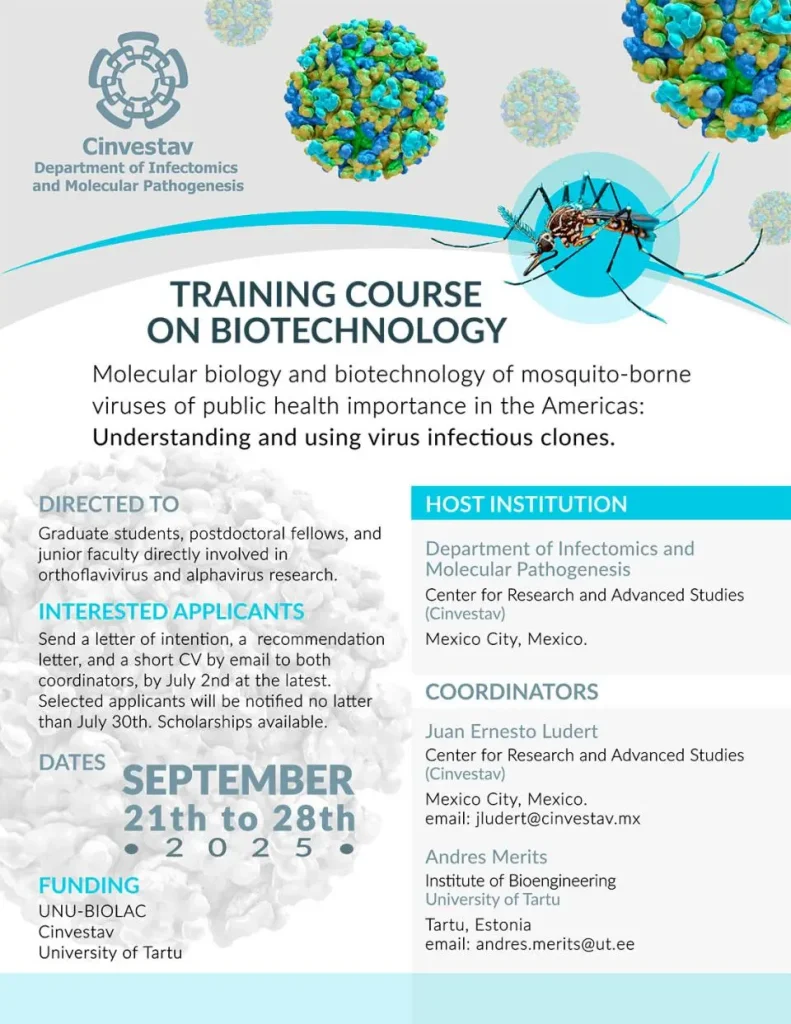
The main objective of the activity is to familiarize graduate students, post-doctoral fellows, and junior faculties working in research laboratories in Mexico, Central and South America, and the Caribbean with the use and manipulation of infectious clones of alpha- and orthoflaviviruses. The activity will include both theoretical and practical hands-on sessions. Participants are expected to gain a broader vision of the molecular biology of alpha- and flaviviruses of importance to the region and the experimental potentialities of infectious clones and gain the methodological basis to implement infectious clones in their own laboratories.
Theoretical content: 5 lectures covering fundamental aspects of the biology of flavivirus (dengue, Zika, yellow fever) and alphaviruses (chikungunya, Mayaro); 1 lecture covering fundamental aspects of the vector mosquito, including innate immune responses; 1 lecture covering fundamental aspects of diagnosis and 1 of prevention (vaccines) of diseases caused by ortho flaviviruses or alphaviruses; 1 lecture covering fundamental aspects on the laboratory handling of large cloning vectors; and two lectures covering fundamental aspects of virus infectious clones, for a total of 11 lectures, all given by experts in the field.
Laboratory content: 6 practical sessions covering the transformation of bacteria with large plasmids (containing the infectious clones); harvesting and purification of large plasmids; in vitro transcription; transfection of cells in culture; visualization of infected cells (immunofluorescence, reporter gene autofluorescence or luciferase activity); harvesting and quantification of progeny viruses.
Application procedure
Interested applicants should send a letter of intention, a recommendation letter and a short CV to both course coordinators:
Dr. Juan Ludert, jludert@cinvestav.mx
Dr. Andres Merits, andres.merits@ut.ee
Last day to apply: July 2nd, 2025.